CERN LHC Nuclear Chemistry Research
Simulation Driven Development
This research explores how subatomic particles interact with matter using Monte Carlo techniques, Geant4 simulations, and high-performance computing
Reaction Plane Detector for the Zero Degree Calorimeter
Lab Technician - Mignerey Group, University of Maryland College Park
U.S. Department of Energy Office of Science
May 2014 to May 2016
We led a simulation driven engineering effort developing a detector design for CMS at Large Hadron Collider, in support of CERN high-energy particle physics research
The objective was development of a Reaction Plane Detector for the Zero Degree Calorimeter at Compact Muon Solenoid, for the study of Quark-Gluon Plasma (QGP) in high-energy collisions in Run 2 of LHC in 2018
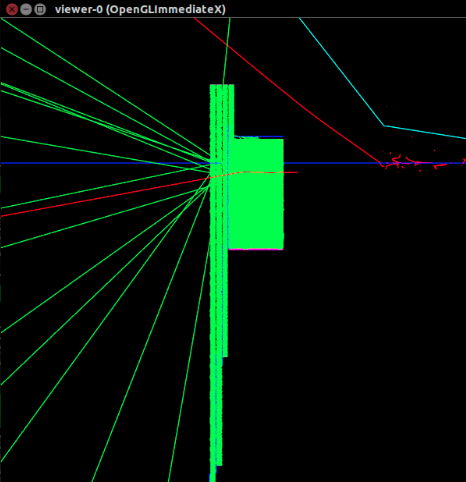
Engineered detailed detector geometries and material property tables within Geant4 for accurate modeling of particle interactions
Designed and implemented Monte Carlo simulations using Geant4 and C++ to support detector performance studies and physics analysis
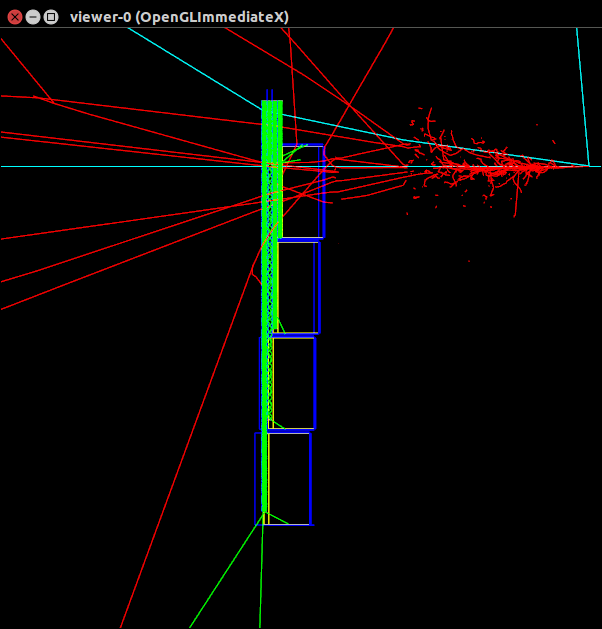
Developed and tested simulations using Geant4 and C++ in open source software for development of user algorithms for data collection
Worked in conjunction with mechanical engineering department to tune design parameters for development of fabrication specifications
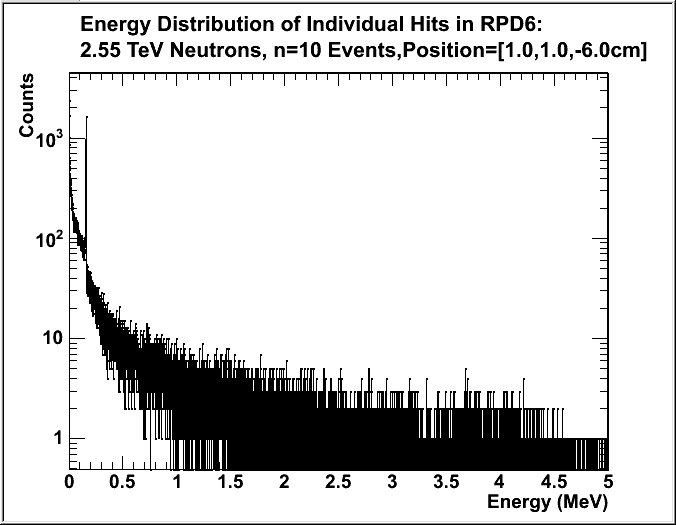
Performed statistical data analysis using MATLAB, Mathematica, and ROOT, modeling experimental data against expected theoretical distributions
Developed custom C++ histogramming and statistical analysis algorithms, validating simulation outputs against analytical calculations
High-Performance Computing
Executed large-scale simulations using distributed computing systems.
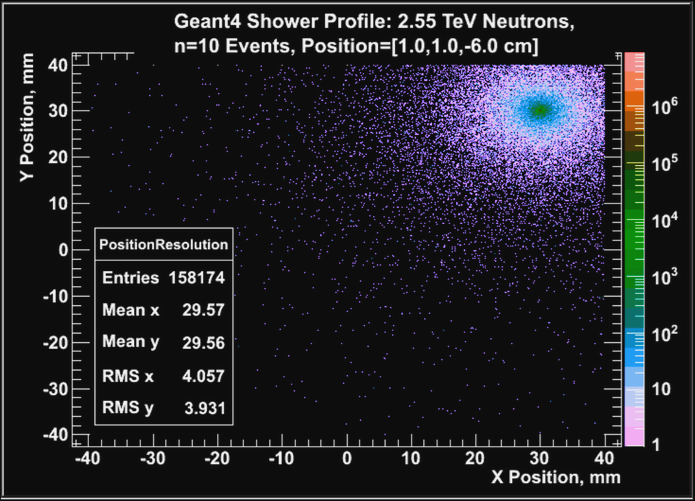
Executed large-scale batch jobs using HTCondor for distributed simulation and data processing workloads
Presented simulation results demonstrating detector response and reaction plane sensitivity using Geant4-based Monte Carlo methods
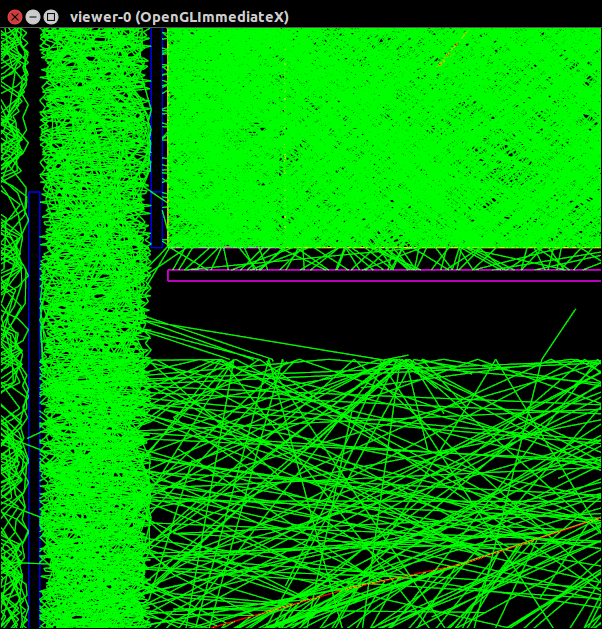
Optimized simulation performance for low processing time and high throughput, using parallel execution on Linux-based high-performance supercomputing cluster
Managed data flow pipelines in high-throughput tool chain using embedded linux, Geant4 Physics, and CMSSW scientific analysis toolkits
Project Code
Contributed to the adaptation and extension of Geant4 open-source scientific software, a toolkit used for specialized research, medical technology, and nuclear forensics
Geant4 • C++ • Monte Carlo Simulation • Detector Modeling
Public Research Conference
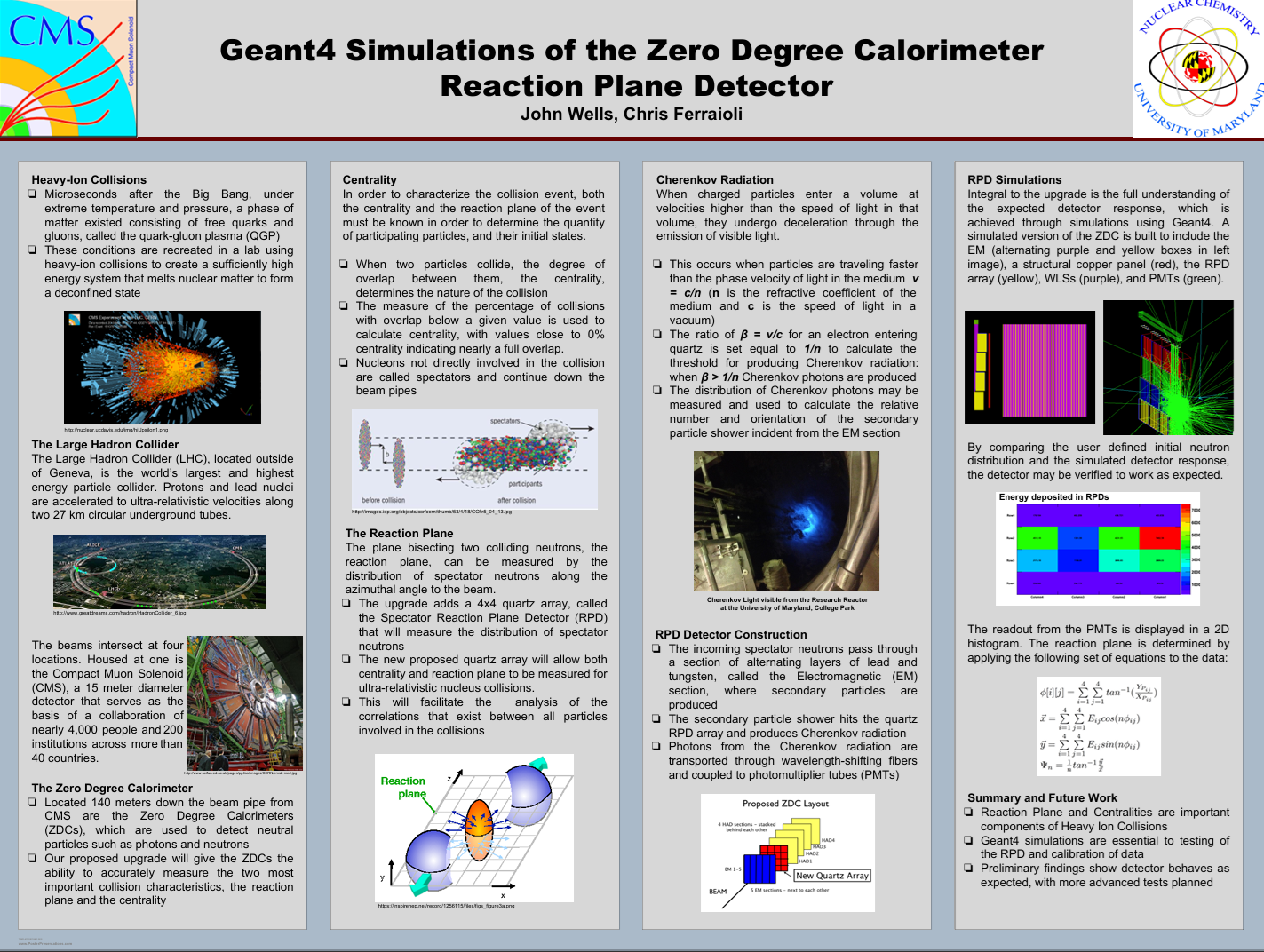
Geant4 Simulations of the Zero Degree Calorimeter Reaction Plane Detector
University of Maryland Undergraduate Research Day (click to enlarge)
CMS Zero Degree Calorimeter Technical Design Report
Author: Alice Mignerey et al.
Contributed to data analysis and presentation supporting the technical design and performance evaluation of the CMS ZDC